MIL in the MAIL Project: An Intervention for Developing Young People’s Digital Literacy
BECID
March 26, 2025 ·



Authors: Kathleen Loss, Laura Jõgar, Margus Vahter, and Roman Valt
In spring 2024, we planted the seed of an idea: to create an engaging game for high school students that would help them navigate information overload more effectively. Instead of merely delivering information to memorize, we decided to offer something truly exciting – a fun online game paired with tangible rewards. Preparations began in September, and by mid-November, the game came to life. Titled “MIL in the MAIL”, the project quickly captured its target audience’s attention, with nearly 1,400 young participants diving into the five-day challenge!
What’s This All About?
In the course Advanced Professional Skills Course, you and your peers will develop an idea that addresses a societal need. While “MIL in the MAIL” focused on boosting high school students’ digital literacy, “MIL in the MAIL 2.0” could, for example, aim to improve media literacy among seniors! The possibilities are endless—you just need to define the idea and bring it to life, step by step. Along the way, you’ll have the support of Estonia’s top digital skills specialists—certainly from Lossi 36 and possibly the entire country.
Surprises for the Fast and the Dedicated
Participants in “MIL in the MAIL” honed three key skills: distinguishing news from opinion, identifying AI-generated images versus real photos, and fact-checking claims. For five days, players solved challenges, and correct answers unlocked codes to surprise boxes hidden in parcel machines each day. Many participants earned codes, leading to a thrilling race as the game’s social media revealed each day’s parcel location. Only the quickest players got the surprises!
But we didn’t forget the dedicated players who weren’t first to the parcel machine. After the game ended, we contacted the top five performers and sent them additional packages as a token of recognition.
Travel Rewards for Excellence in Digital Skills
The most active participants received bonus prizes, including an exclusive invitation to a Delfi workshop, where they gained an in-depth look at the fascinating world of media. Who knows—perhaps the next star journalist is among these students! For the best of the best, the rewards were even greater: a trip to a hackathon in Latvia, where participants further enhanced their media skills. And yes – all expenses were covered!
12 Steps to Bring Your Game to Life
Ready to plan your project? Here’s a step-by-step guide based on what we did to launch “MIL in the MAIL”.
1. Define the IDEA. Start by breaking it down into CONTENT and FORMAT. Ask: “What aspect of media literacy do we want to address?” and “Who is the audience, and how do we engage them?” For example: “Fact-checking information, for high school students, using parcel machines.” A clear idea helps you map out the rest of the project smoothly.
2. Develop the content. If your game involves questions, ensure they’re clear and unambiguous. But don’t feel limited—create a format that works best for your goals. Then, establish a timeline and assign roles.
3. Choose the platform. We created a dedicated website for the game: meedia.ut.ee/meediakirjaoskus.
4. Prepare surprise boxes to motivate players. Seek support from companies and delivery firms to fill the boxes without stretching your budget. Persistence is key when seeking sponsors.
5. Select parcel locations. Larger cities are a safe bet for quick pick-ups, but aim to cover a wide area for inclusivity.
6. Send out the boxes. Stick to your schedule and factor in delivery times – don’t leave it until the last minute!
7. Launch the game! Before going public, test it with friends or colleagues to iron out any issues.
8. Promote your project. To reach school-age participants, inform teachers and mentors. Use social media platforms like TikTok, Facebook, and Instagram to connect directly with students. Adjust your strategy for other audiences.
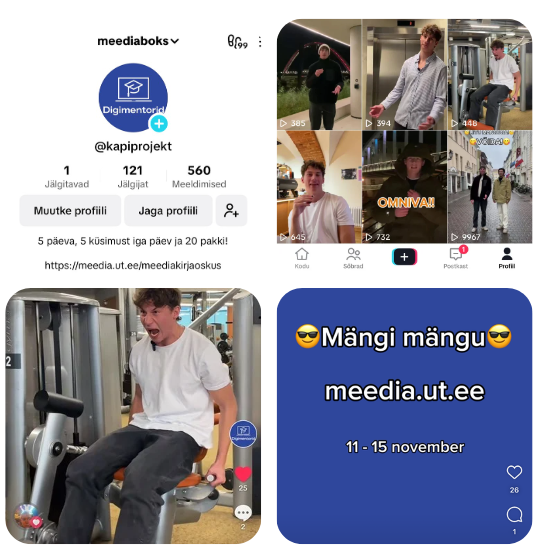
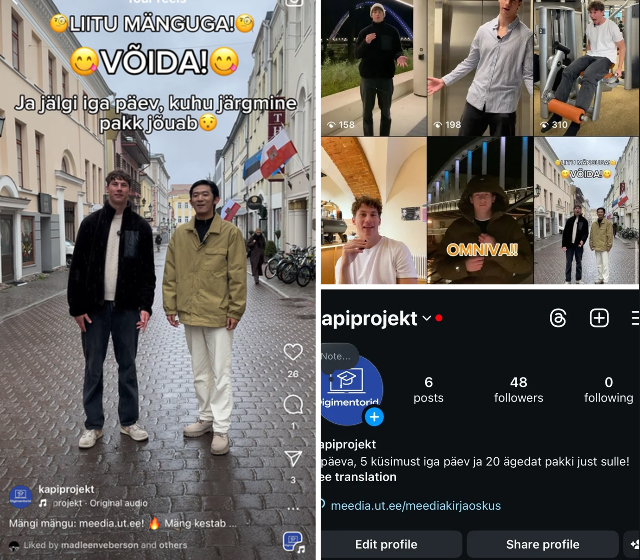
9. Create social media accounts and plan content tailored to each platform. For a wider reach, prioritize platforms like TikTok.
10. Appoint a project spokesperson to represent your initiative online, and create a posting schedule with engaging content.
11. Collaborate with influencers whose values align with your project to boost visibility.
12. Post your first video. Introduce the project’s goals, participation rules, and what players can expect in the coming days.
Tips for Sponsorship and Game Design

- Start early. Contact potential sponsors months in advance, as their responses may take time.
- Be confident. Send your proposal to hundreds of companies.
- Tailor your pitch. Align your offer with the company’s mission and show how your project creates value for them.
- Target the right companies. Look for organizations focused on youth, digital literacy, or safety.
- Use your network. Teachers, mentors, and other contacts can help spread the word and connect you with sponsors.

- Don’t procrastinate. Reach out to sponsors well in advance.
- Don’t waste time. Research companies before contacting them to ensure your values align.
- Don’t overwhelm participants. Keep the game’s content concise and engaging.