


How Can We Challenge Stereotypes in the Media? VOCO and Tartu Art School Students Explore Creative Solutions

becid
09.11.2026
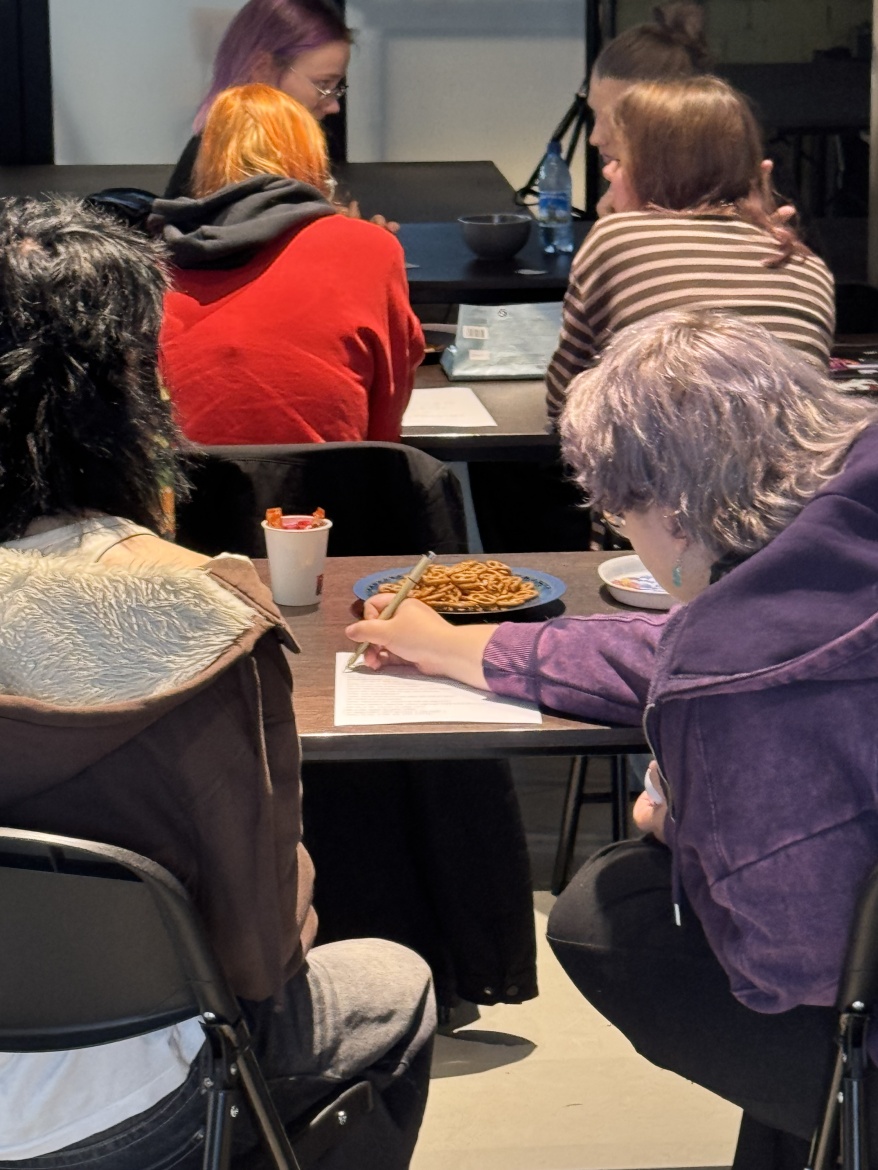
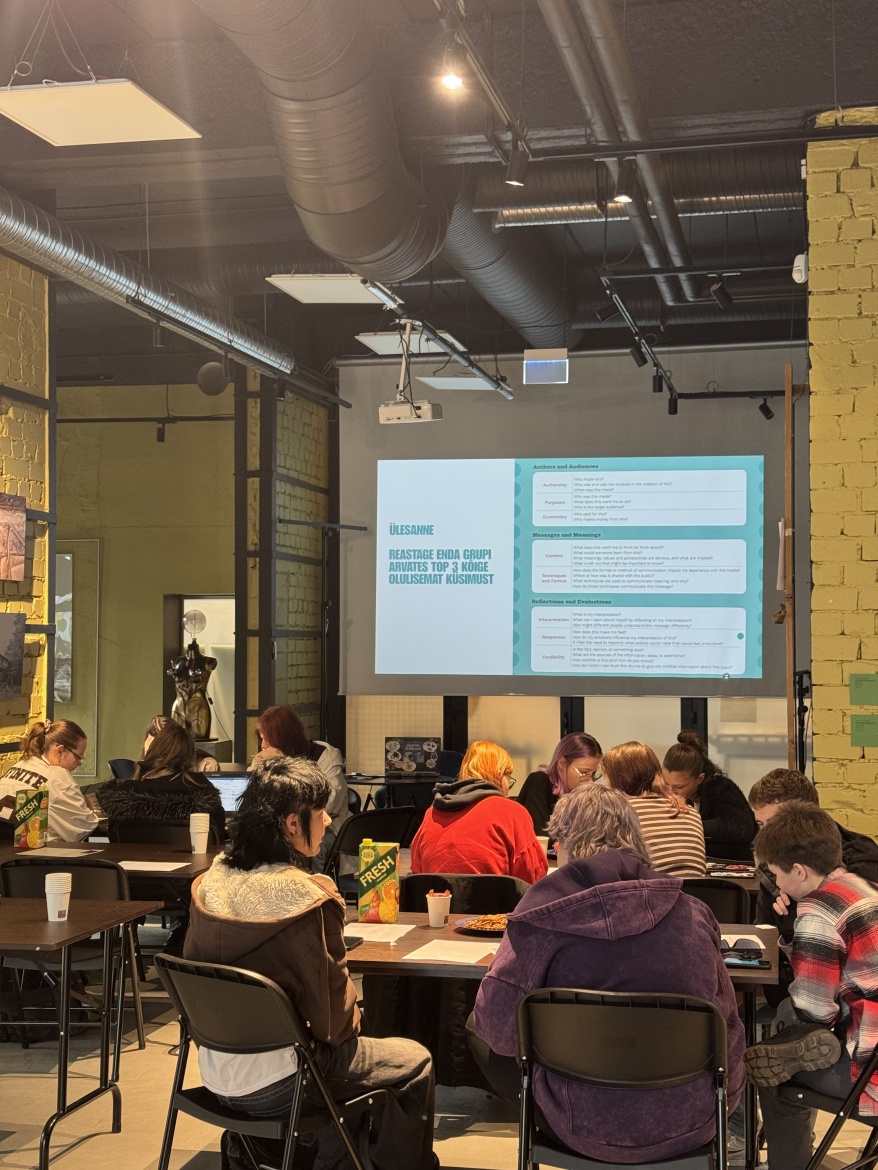
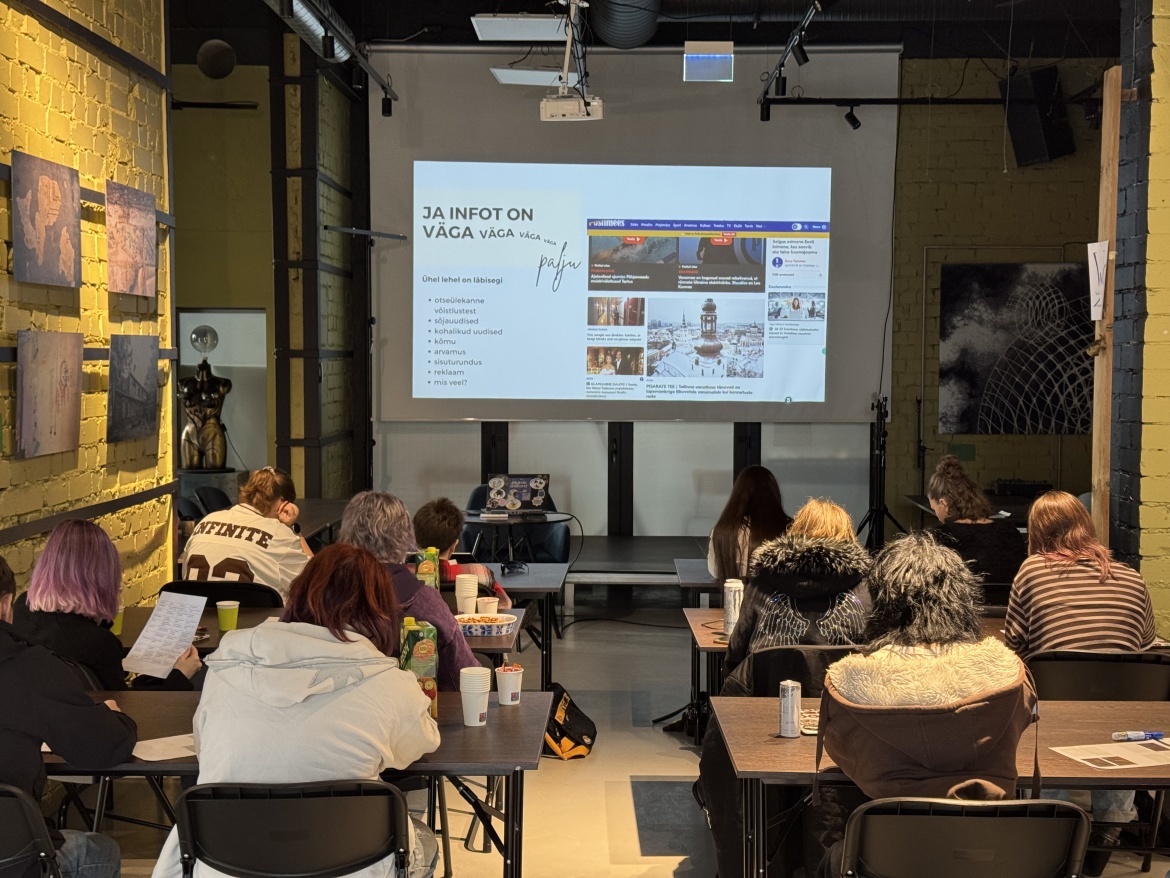
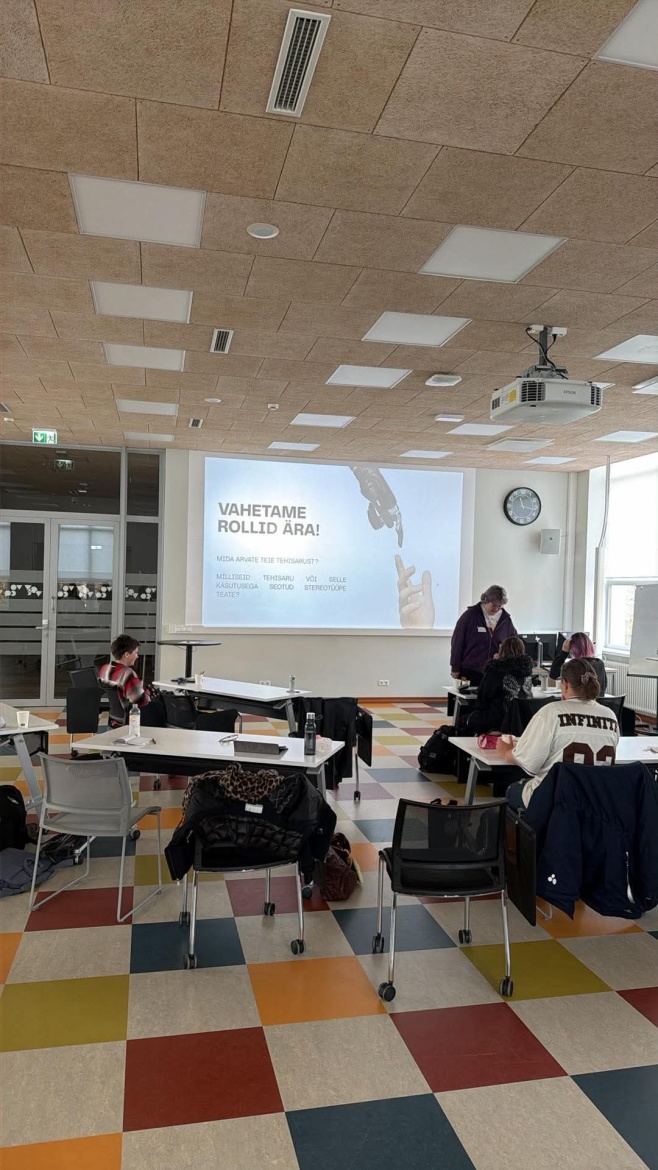
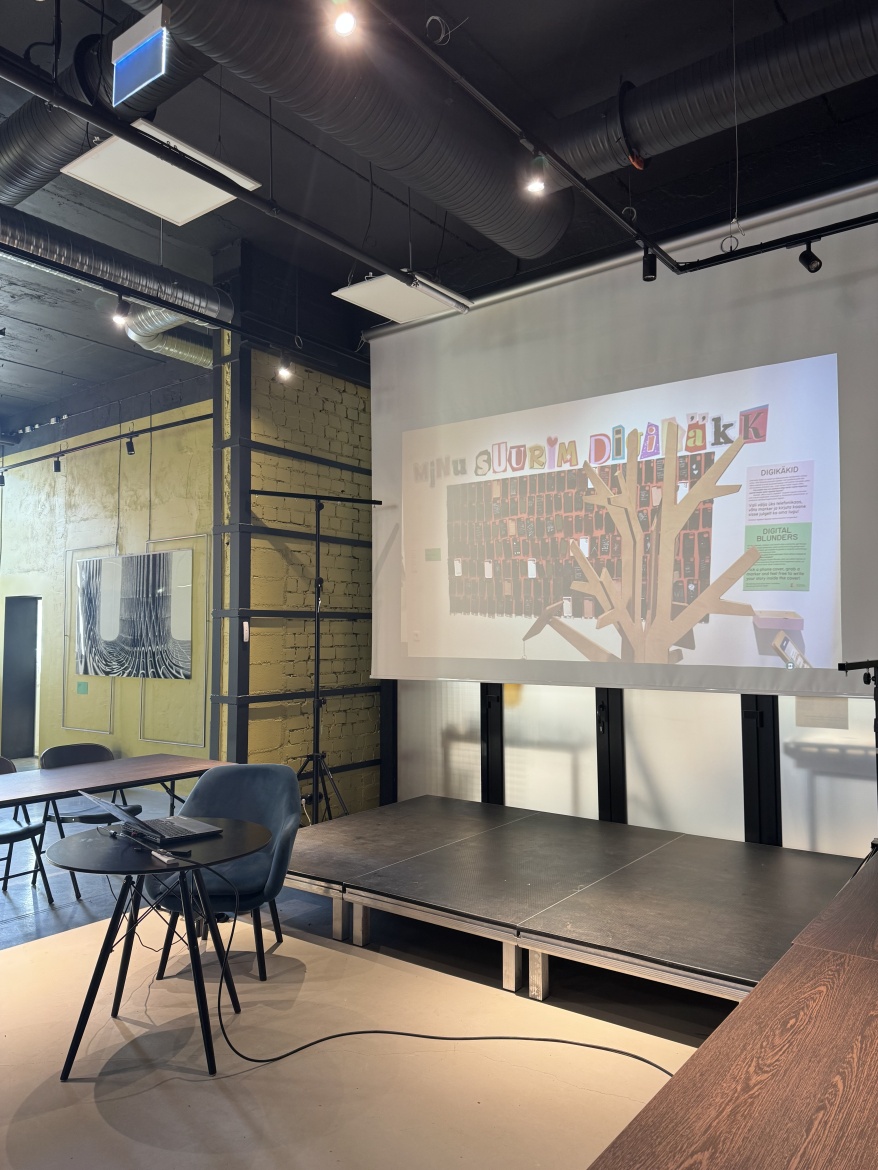
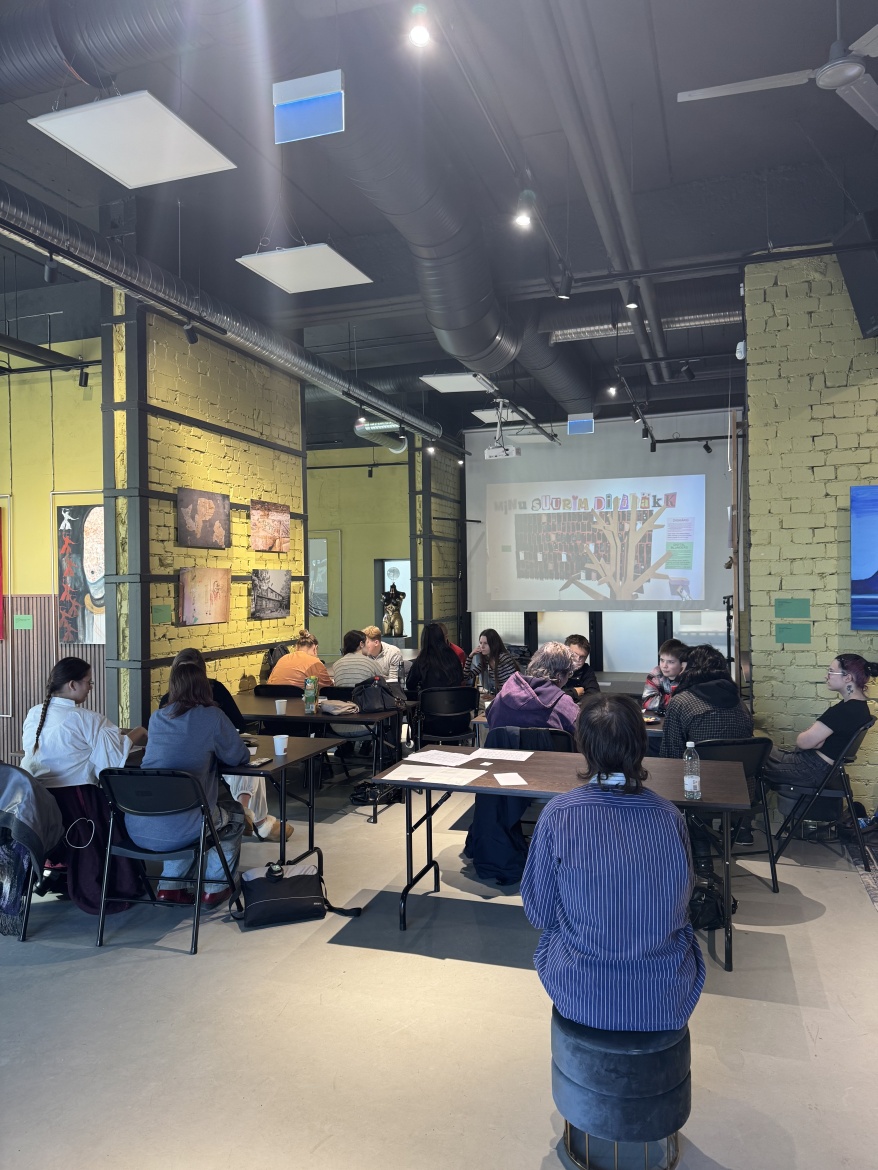
In early November, nine students from Tartu Art School and seven from Tartu Vocational College (VOCO) came together to explore how media and artificial intelligence shape our perceptions of professions, gender roles and stereotypes in society. During the three-day intensive workshop, participants developed their first ideas for creative media literacy activities, which will be presented to the wider public in spring 2027.
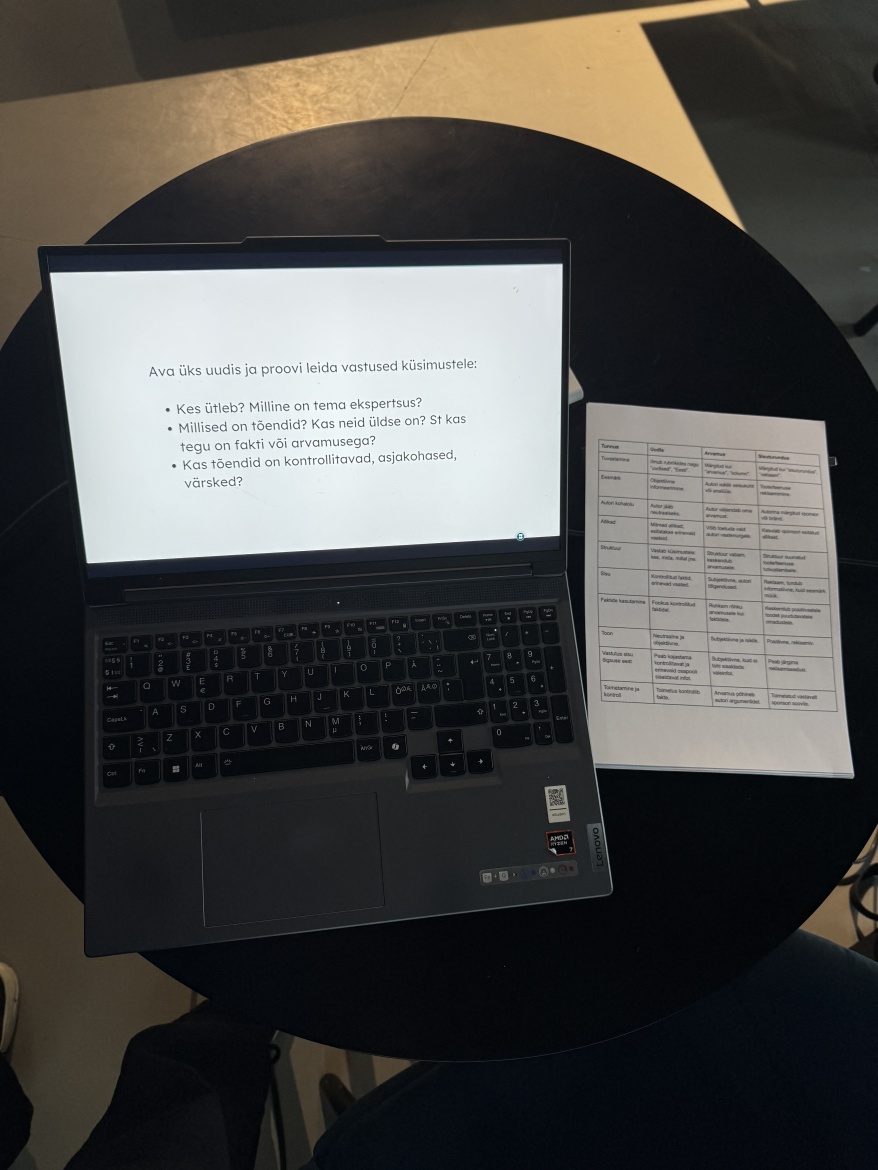
The workshop focused on critical media literacy and how to recognise and deconstruct stereotypes circulating in the media. Particular attention was paid to the ways in which algorithms, social media and artificial intelligence influence our perceptions of different professions and the roles considered appropriate for certain groups in society.
Bringing together students from different educational backgrounds, the workshop provided an opportunity to combine their knowledge, experiences and creative skills. Through group discussions and practical exercises, participants explored ways to make complex media literacy topics accessible and engaging for wider audiences.
Three Creative Approaches to Exploring Stereotypes and Media Influence
During the workshop, participants formed three working groups, each developing an initial concept for an interactive media literacy activity.
The first group focused on information overload and filter bubbles, proposing an environment designed around balloons to help visitors experience how information environments can shape their attention and perceptions.
The second group explored the recognition of misinformation and distorted narratives, using mirrors and personal reflection as central elements of their concept. The proposed activity encourages participants to consider how they interpret information and how their own assumptions influence their understanding.
The third group addressed stereotypical body images and prejudices associated with professions. Through hands-on creative activities, the group aims to encourage participants to identify and critically examine established social stereotypes.
All three concepts share the goal of making media literacy more tangible through interactive experiences that encourage critical reflection.
Next Steps: Turning Ideas into Practical Activities
The three-day workshop marked the beginning of a longer collaborative project. The next session will take place on 1 December 2026, when participants will further develop their initial prototypes and turn them into comprehensive action plans.
Implementation will begin in early 2027, with the completed activities scheduled for public presentation in spring 2027. Visitors will have the opportunity to engage directly with the interactive media literacy experiences developed by the students.
The initiative brings together young people’s creativity, critical thinking and media literacy skills, exploring how participatory and practical approaches can help audiences recognise and challenge stereotypes in society.